Your client wants to spend $20,000 on an influencer campaign. The influencer has 500K followers and solid engagement on their last few posts. Looks like a good deal.
But how many of those 500K followers are real people? If 40% are bots, your client is paying for 500K followers and reaching 300K, and placing their trust in an untrustworthy partner. And when they eventually find out, they blame you for poor due diligence.
The Problem: You’re Spending Someone Else’s Money
When you run an influencer campaign for a client, the stakes are different than when a brand handles it in-house. You recommended this creator. You negotiated the rate. If the results underperform because the audience was inflated with fake accounts, that’s your reputation on the line.
Clients don’t care about follower counts. They care about conversions, clicks, and brand lift. If an influencer’s followers are 30-40% bots, your effective CPM just doubled. That $20,000 campaign is really a $12,000 campaign in terms of real reach.
The uncomfortable truth: influencer fraud is not rare. Not by a long shot. Studies consistently put the rate of fake followers on X (Twitter) between 5% and 15% for organic accounts, and much higher for accounts that have purchased followers. HypeAuditor’s State of Influencer Marketing report found that accounts with purchased followers often show bot rates above 40%. We’ve seen the same in our own data.
What Agencies Typically Do (and Why It Falls Short)
Most agencies do some form of manual vetting before signing an influencer deal. The usual checklist looks something like this:
Check the engagement rate. If someone has 500K followers but gets 200 likes per post, that’s suspicious. This catches the most obvious cases of purchased followers.
Skim the comments. Are the replies thoughtful and specific, or are they all “Great post!” and fire emojis? Generic comments are a telltale sign of engagement bots.
Try a free audit tool. There are a handful of free tools that give you a rough bot percentage. They scan a sample of followers and flag ones with obvious red flags.
This approach catches the bottom tier of fake accounts. The ones with no profile picture, no tweets, and a username like @xjk82mq. But sophisticated bot networks have moved well past that. Modern fake accounts have profile photos (often AI-generated or stolen from other accounts), plausible bios, and enough tweet history to pass a casual inspection. They’re designed specifically to survive manual review.
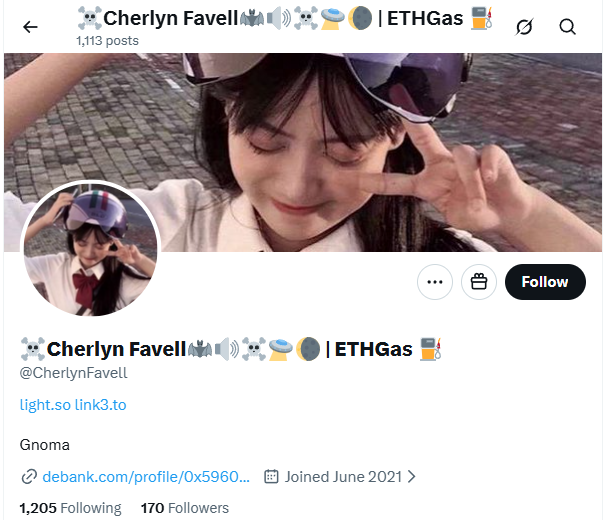 Profile photo, emoji-filled name, crypto bio, joined 2021, 1,205 following. Looks like a real crypto enthusiast. But every reply is “good” or “cool” with zero engagement. AI flagged the repetitive single-word reply pattern.
If you’re only doing surface-level checks, you’re catching maybe half the problem - and it’s and expensive problem. A 2023 report from the Association of National Advertisers estimated that influencer fraud costs brands $1.3 BILLION annually, with fake followers being the primary mechanism.
What a Proper Audit Looks Like
A real influencer audit goes deeper than engagement rates and comment scanning. Here’s what the process looks like when you do it right.
Step 1: Run the handle through a bot detection tool. Enter the influencer’s X username into Bot Hound’s bot check. The tool scans their follower list and classifies each account using AI analysis of profile data, tweet content, posting patterns, and network behavior.
Step 2: Review the breakdown. You’ll get a clear summary: X% of followers classified as real, Y% flagged as suspicious, Z% identified as bots. The report also includes a bot probability distribution and an audience composition chart by follower recency, so you can spot patterns like recent follower purchases. This gives you the number you actually need for your media plan.
Step 3: Drill into flagged accounts. Bot Hound provides per-account evidence for every flagged follower. You can see exactly why an account was classified as a bot. Maybe it posts at mechanical intervals. Maybe its tweets are all generic replies. Maybe it was created two weeks ago and already follows 8,000 accounts. The evidence is there for you to verify.
Step 4: Calculate adjusted reach. Take the total follower count, subtract the bots, and you have a realistic audience size. Now you can evaluate the deal on real numbers, armed with the leverage of hard data - or decide to cut ties and go with a more authentic influencer.
Red Flags in Follower Lists
When you’re reviewing audit results, certain patterns should raise immediate concerns.
Sudden follower spikes. If an influencer gained 50,000 followers in a single week without a viral moment to explain it, those followers were likely purchased. Organic growth is gradual. Purchased followers arrive in bursts.
Clusters of similar creation dates. Bot networks are created in batches. If you see hundreds of followers whose accounts were all created within the same 48-hour window, that’s a factory, not an audience.
High percentage of zero-tweet accounts. Some real people lurk without posting. But when 25% of someone’s followers have literally never tweeted, that’s beyond normal. These are shell accounts created solely to pad numbers.
Following-to-follower ratios in the thousands. When a large chunk of someone’s followers each follow 10,000+ accounts but have almost no followers themselves, those are follow bots. They exist to inflate counts, nothing more.
Here’s a real example of the kind of follow bot that slips past manual checks:
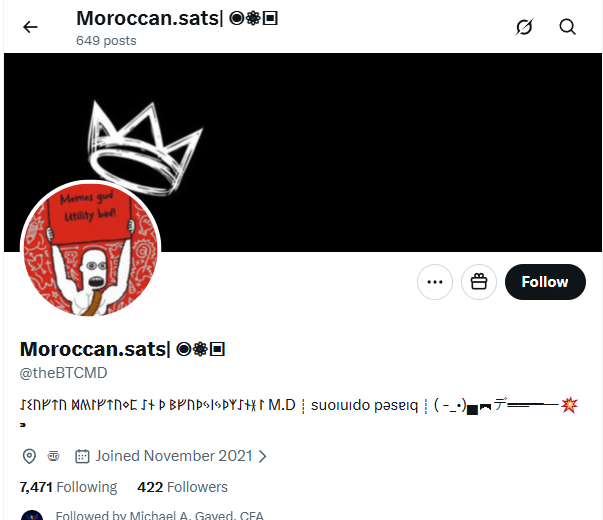 7,471 following, 422 followers. Bio is gibberish runes. Tweets are all crypto token promotions and referral spam with zero engagement. This account exists solely to amplify crypto projects.
How to Present Findings to Clients
Your clients aren’t bot detection experts. They need clear, simple reporting that helps them make decisions.
Bot Hound generates per-account reports with evidence for every analyzed follower. You can share these directly with your client or summarize the key findings in your own format. Either way, you’re presenting data, not opinions.
A typical client-facing summary might look like this:
- Influencer: @ExampleCreator
- Total followers: 487,000
- Estimated real followers: 312,000 (64%)
- Suspicious accounts: 83,000 (17%)
- Identified bots: 92,000 (19%)
- Adjusted CPM based on real reach: $X.XX
This reframes the conversation from “do we trust this influencer?” to “what are we actually paying per real impression?” That’s a conversation grounded in numbers, which is exactly what clients want from their agency.
If the bot percentage is low (under 10%), great. You’ve validated the partnership with data and your client has extra confidence in the spend. If it’s high, you just saved them thousands of dollars and strengthened your relationship as a trusted advisor.
Making It Part of Your Workflow
Bot detection shouldn’t be a one-off thing you do when something feels wrong. It should be standard due diligence for every influencer partnership above your spend threshold.
Here’s a simple framework:
Under $1,000: Quick manual check. Skim the profile, check engagement rate, move on.
$1,000 to $5,000: Run a bot audit. Takes five minutes. If the bot rate is under 15%, proceed. If it’s higher, dig deeper or walk away.
Over $5,000: Full audit plus documentation. Run the scan, save the report, include adjusted reach numbers in your campaign brief. This protects you if the campaign underperforms and the client asks questions.
Five minutes of due diligence can save your client $5,000 or more on a single deal. Over a year of influencer partnerships, that adds up fast. Research from Statista’s influencer marketing industry analysis shows the global market hitting $24 billion in 2025, making fraud prevention more critical than ever. Every time you catch a problem before it costs money, your value to the client goes up.
Run Your First Influencer Audit
You probably have an influencer deal in your pipeline right now. Before you sign it, take five minutes and verify the audience is real.
Run a bot check with Bot Hound and see exactly what percentage of that follower count is genuine. No app to install, no extension required. Enter the handle, get the breakdown, and make your recommendation with data behind it.
If your clients need ongoing protection for their own accounts, Bot Hound’s Bot Blocker automatically scans and blocks bot followers. $5/month with a 14-day free trial.
Your clients are trusting you with their budget. Show them you’ve done the homework.